Double Sentence: Aids in a Senegalese Prison
December 2011
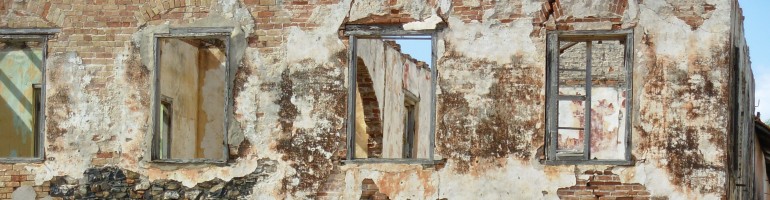
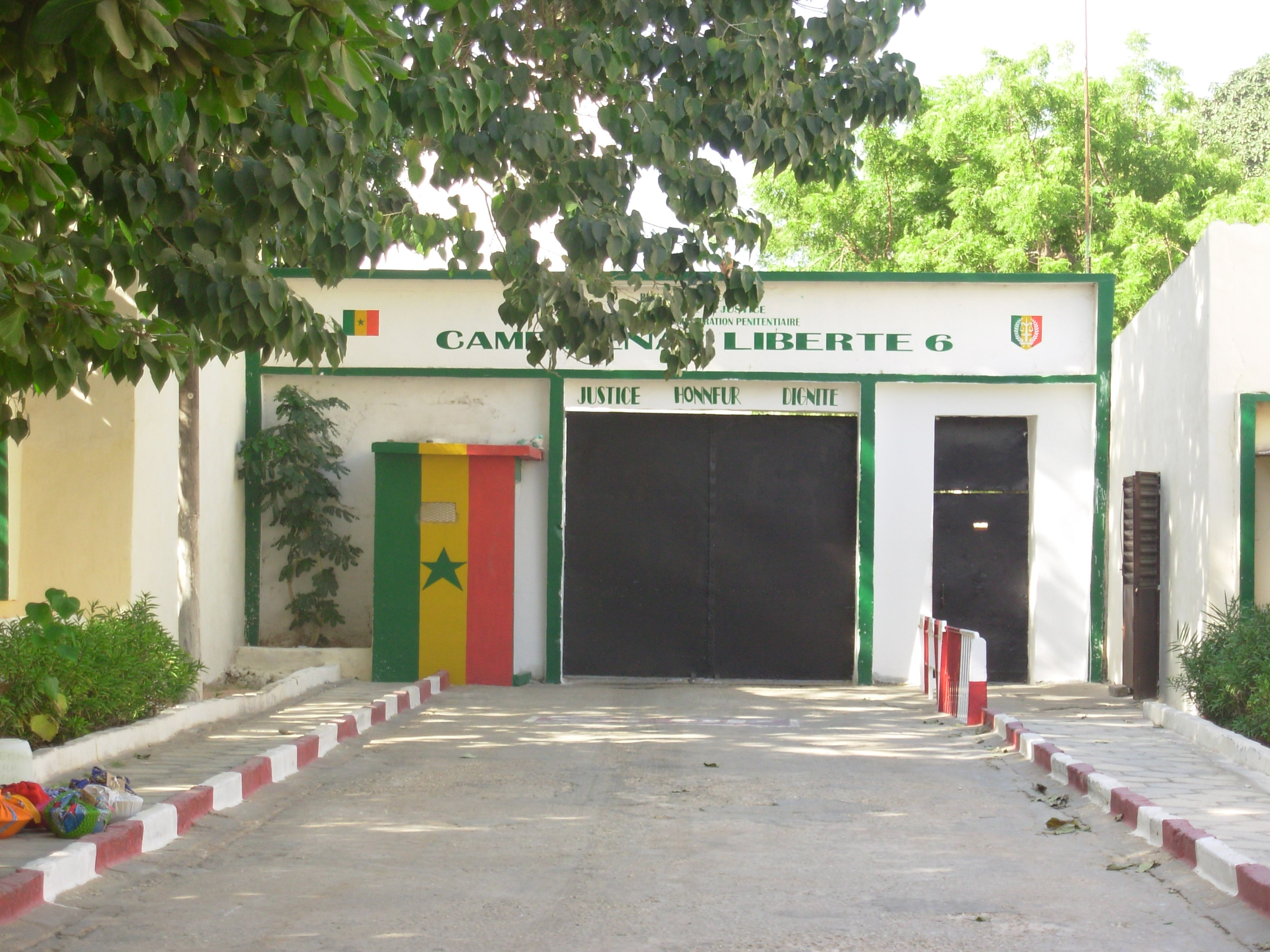
A formerly imprisoned gay activist leads AIDS-awareness talks in prisons throughout Senegal. The country has one of the lowest rates of HIV in Sub-Saharan Africa, at 0.7%, but men who have sex with men (MSM) are the most vulnerable group at nearly 23%. In a country where homosexuality is taboo, the battle against AIDS cannot be won if the most susceptible group is themselves ostracized.
————————————————————–
The Norwegian Council for Africa
Protecting a Forgotten One in West Africa
May 2011
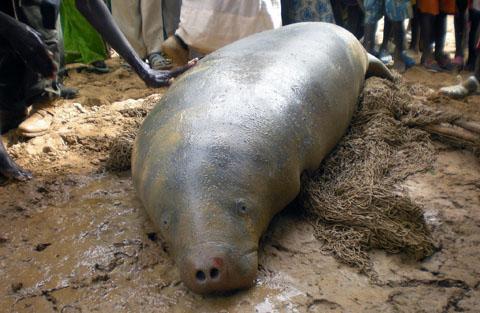
The manatee, or sea cow, is a torpedo-shaped marine mammal that moves languidly through the tepid waters of the Caribbean, South America and along the coast, rivers and wetlands from Senegal down to Angola. In the late 18th century, one of the manatee’s closest and much larger relative, the Stellar Cow, were hunted to extinction. Today, the future of the West African manatee may not be far behind.
————————————————————–
Literature to Heal in Timor-Leste
October 2009
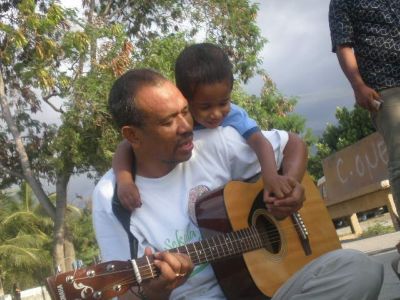
Since separating from Indonesia in 1999, the Timorese have been working to rekindle a sense of national identity. Rebuilding their cultural heritage, through literature and indigenous oral poetry, is a major part of this process.
————————————————————–
Junked Prints and Moldy Videos in Mumbai
July 2009
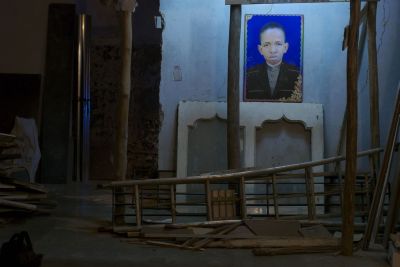
In Mumbai, an international group of poets, photographers, filmmakers and anthropologists uncover the subtle beauty in everyday objects, from office supplies and scraps of metal to found photographs and moldy videos.
————————————————————–
Art from Behind Bars in India
April 2009
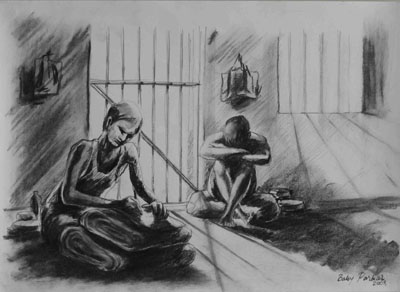
The art exhibit “Art from behind bars and the people who put them there” in Mumbai helps prisoners tell their own stories.
————————————————————–
Crafts project in El Salvador keeps locals home
February 2009
It has been estimated 700 Salvadorans leave the country every day in search of work. In 2007 alone remittance payments totaled $3.8 billion. This is more than the national budget and makes up twenty percent of their gross economy. While El Salvador’s government economic policy encourages citizens to leave and multinationals to enter, small grassroots organizations like Centro de Intercambio y Solidaridad (CIS) fight to keep locals home.

————————————————————–
Muhanad Rasheed: “I am Iraqi, but I still struggle with what this means”
January 2009
“My sense of identity during war is not an issue, because then I am totally Iraqi”, explains 24-year old Muhanad Rasheed, who dances and choreographed Iraqi Bodies’ recent production, Crying of My Mother. “When I left, I realized I don’t feel a sense of ‘place’ anymore. Coming into contact with other societies and cultures there is fraction with identity.”

————————————————————–
Afghan earth architecture builds new standards in design
September 2008
When Taliban tanks rolled over the Shomali plains and mighty mountains of Hindu Kush, in 1998, they reduced the medieval town of Istalif including its beautiful gardens, potters shops, and majestic countryside to shambles and an open battlefield. This small community 40 miles north of Kabul was once reputed as the breadbasket of Afghanistan, renown for its centuries old artisan economy. Today the Istalifis are driven to rebuild and revive the heritage of this ancient paradise. Among their many efforts is the task of constructing new schools. Afghanistan has an urgent need for 73,000 classrooms.

————————————————————–
Senegal’s traditional craftsmanship helps revitalize rural population
April 2008
In one of the poorest regions of Senegal a locally driven artisan initiative, known as Maam Samba, provides work for over 350 employees.The home base is the tiny village of N’dem, about 120 kilometers north east of Dakar. Maam Samba first began in 1985 with a single sewing machine and a single couple’s commitment to better the living conditions for inhabitants of 15 surrounding villages.

With remarkable ease and a sturdy grip, Lawrence Sandaramu, a Shona stone sculptor from Zimbabwe, presses the end of a dental tool just above the man’s rounded cheekbone and carefully drills the final details into his dense springstone eyelids. Sandaramu is nearly finished with his piece, ‘The Acrobat’, which has since sold to an international buyer. The young Chitungwiza native was trained at the esteemed Chapungu gallery in Harare. He has since become a well-respected artist in the modern Shona art movement.

Photo: Muvezi
————————————————————–
Kenyan villagers turn waste into design
November 2008
While Twiga, a patchwork giraffe made of recycled toothbrushes and rubber tyres, makes her European tour hitting International Trade Center meetings and visiting the WTO headquarters, her designers back home in Kenya are busy collecting more non-biodegradable waste products and transforming them into beaded wine coolers, juggling balls and flipflop penguins.

 AMANDA FORTIER